February 19, 2026 · Eagle Hood Cleaning
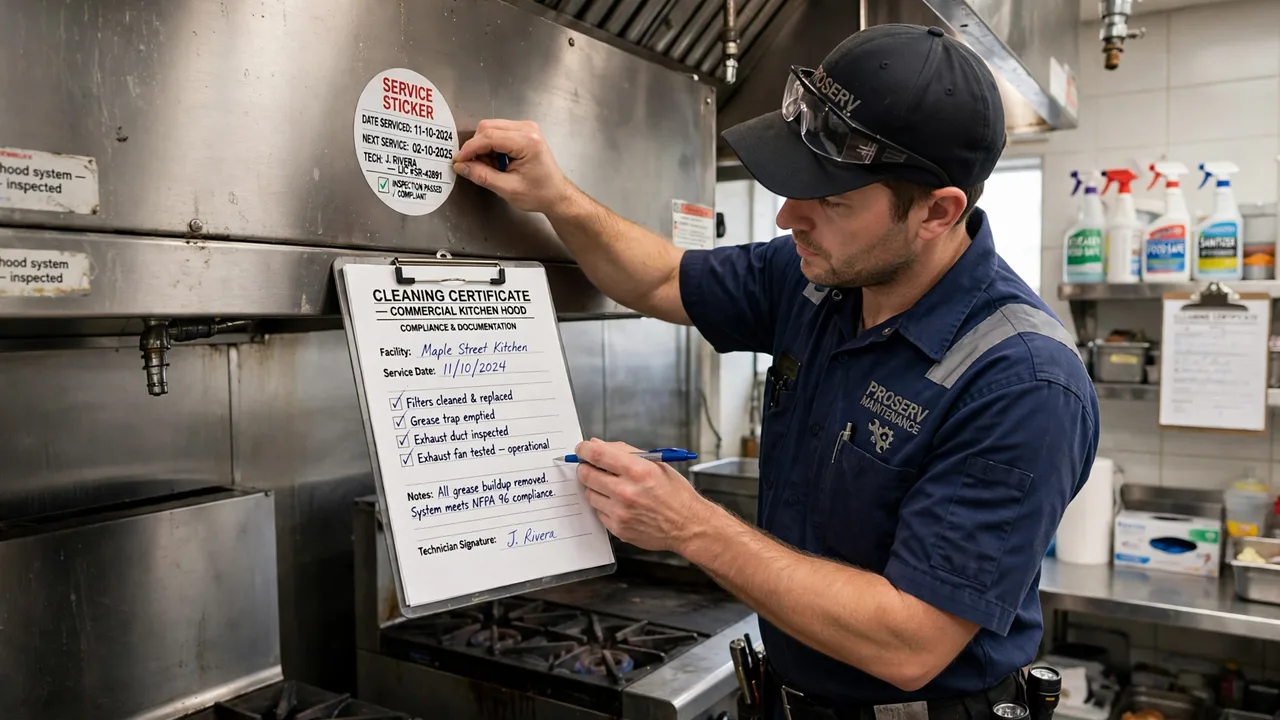
Critical gets overused in service marketing. For hood cleaning in the DMV, it survives scrutiny — because four independent systems all grade the same evidence.
Grease in an exhaust system is stored fuel above an ignition source. Scheduled removal is the control; everything else is mitigation after the fact.
Fire marshals across three jurisdictions check the sticker, the filters, the duct access and the records. A critical service is one whose absence is a finding.
Underwriters price kitchen risk on documented NFPA 96 compliance; landlords hold tenants responsible for grease damage, roofs included. The cleaning record sits inside both relationships.
Any one of these would justify the service. DMV restaurants live under all four at once — that is what critical means here.
The free inspection settles it with photographs: your system's real condition, a written scope, and the NFPA 96 frequency for your kitchen. Call (855) 811-3088 or request it online.
NFPA 96 Cleaning Frequencies, Explained for Kitchen ManagersMonthly, quarterly, semi-annual or annual? NFPA 96 sets your hood cleaning frequency by cooking type and volume — here is how to find yours.
Read →
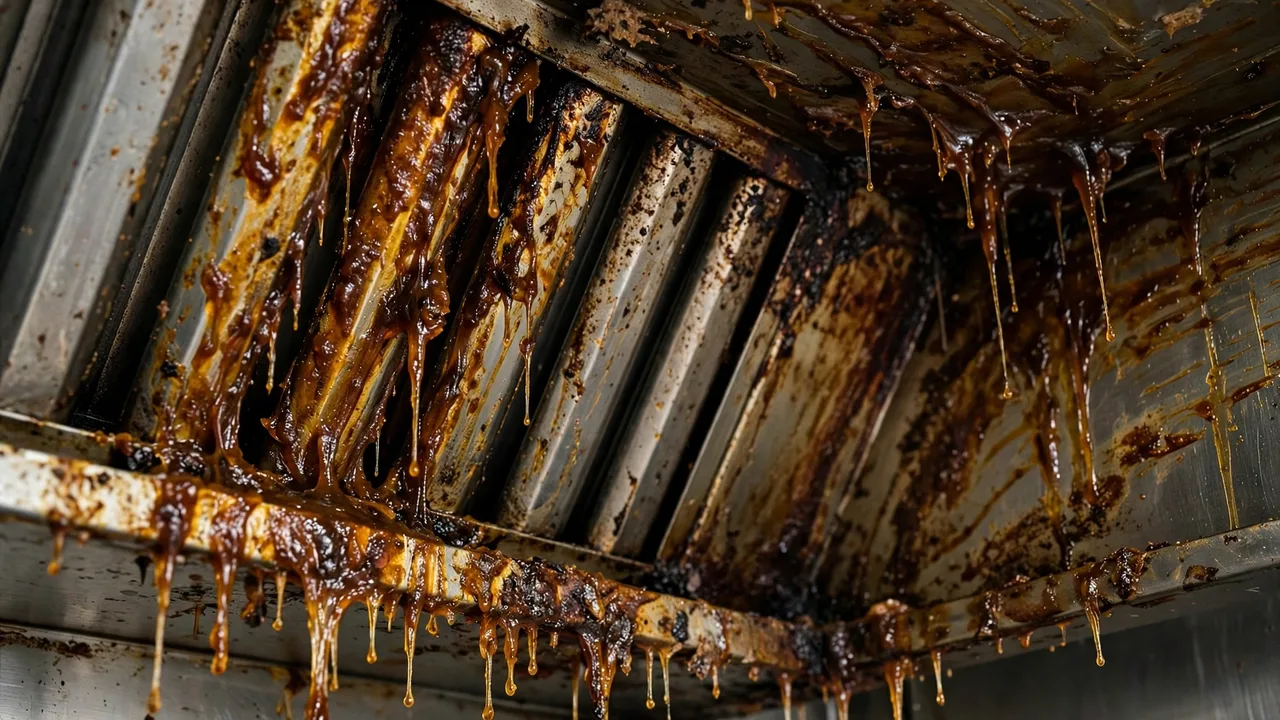 What Fire Marshals Actually Check in Your Exhaust SystemThe sticker, the filters, the duct access, the fan — a walk-through of the exhaust-system checks that decide whether your kitchen passes.
Read →
Free on-site inspection, a written scope and frequency recommendation, and night scheduling that never touches your service hours.